
General surgery
Hernia Repair
A hernia occurs when organs, fat or tissue push through a weakened area of the abdominal wall or diaphragm, creating a noticeable bulge that can grow larger over time.
Schedule a Consultation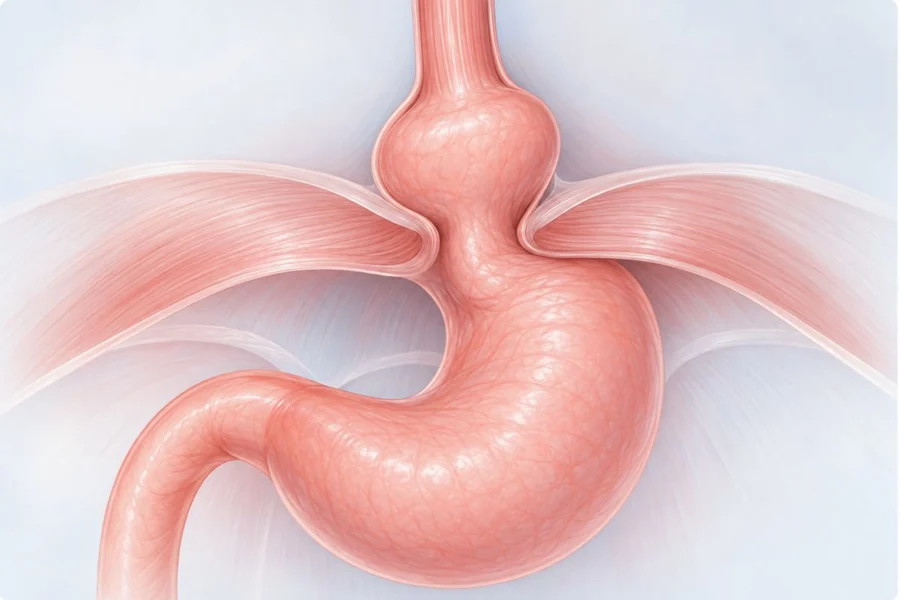
Types of hernias
Where a hernia can occur.
Inguinal hernia
Also known as a groin hernia; tissue or part of the intestine pushes through a weak area in the lower abdominal wall.
Umbilical hernia
Tissue, intestine, fat or fluid bulges through a weak area near the navel (belly button).
Incisional hernia
Develops at the site of a previous incision, usually after abdominal surgery, and can take months or years to form.
Hiatal hernia
Part of the stomach bulges through a weak spot in the diaphragm into the chest, which can lead to reflux, chest pain and difficulty swallowing.
Epigastric hernia
Fat pushes through a weak spot in the area between the belly button and the breastbone.
Femoral hernia
Most commonly found in women; tissue bulges through a weak area of the upper inner thigh or groin.
Hiatal hernia repair
When the stomach pushes through the diaphragm.
A hiatal hernia is when a portion of the stomach bulges through the diaphragm.
This can lead to reflux (GERD) but can also cause chest pain, difficulty swallowing, and regurgitation.
The appropriate repair depends on the type of hernia and your medical history. Some repairs can be performed laparoscopically.
Read more on drfeiz.com: Hiatal Hernia Repair · Obesity and Hernias
Consultations
Talk through your options.
We Work With Most PPO Plans